
The Evolution of My Yoga Practice: What 30+ Years Have Taught Me
By Carmen Curtis
The Evolution of My Yoga Practice: What 30+ Years Have Taught Me
When I first began practicing yoga over 30 years ago, I didn’t know what I didn’t know. I practiced one style, Power Yoga, with one teacher, because that’s what was available to me. It was strong, physical, and goal-oriented, and at the time, it was exactly what I needed.
For years, I stayed with that style and tried to “work my way up” to the most advanced poses. Like many, I believed that progressing in yoga meant doing more, going deeper, and looking more “advanced.” I chased flexibility and shapes, not always aware of what my body or mind truly needed.
But that was just the beginning of my journey.
The Turning Point: Becoming a Beginner Again
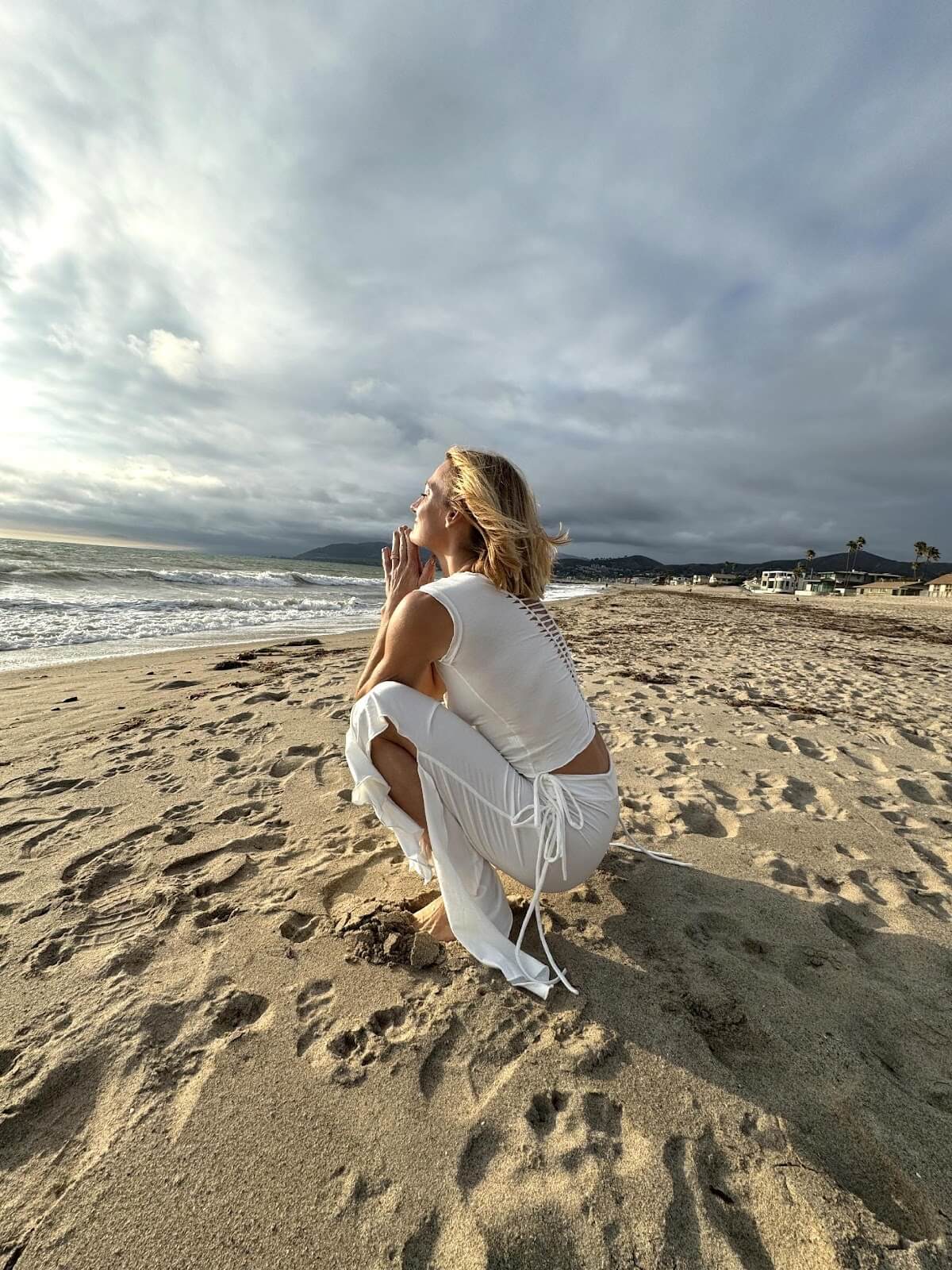
One day, I stumbled into a Kundalini yoga class. It was unlike anything I’d ever done. The breathwork, the mantras, the inner intensity, it completely disoriented me. Physically, I could keep up. But emotionally, I felt off. Uncomfortable. Unsuccessful.
And that’s when the real practice began.
I didn’t feel “good” at this style of yoga, and it made me want to quit. But something in me stayed and I ended up studying with that teacher and practicing that style for years.
It taught me humility. It taught me patience. It reminded me that being new at something is not a failure, it’s an invitation.
Learning Through Contrast
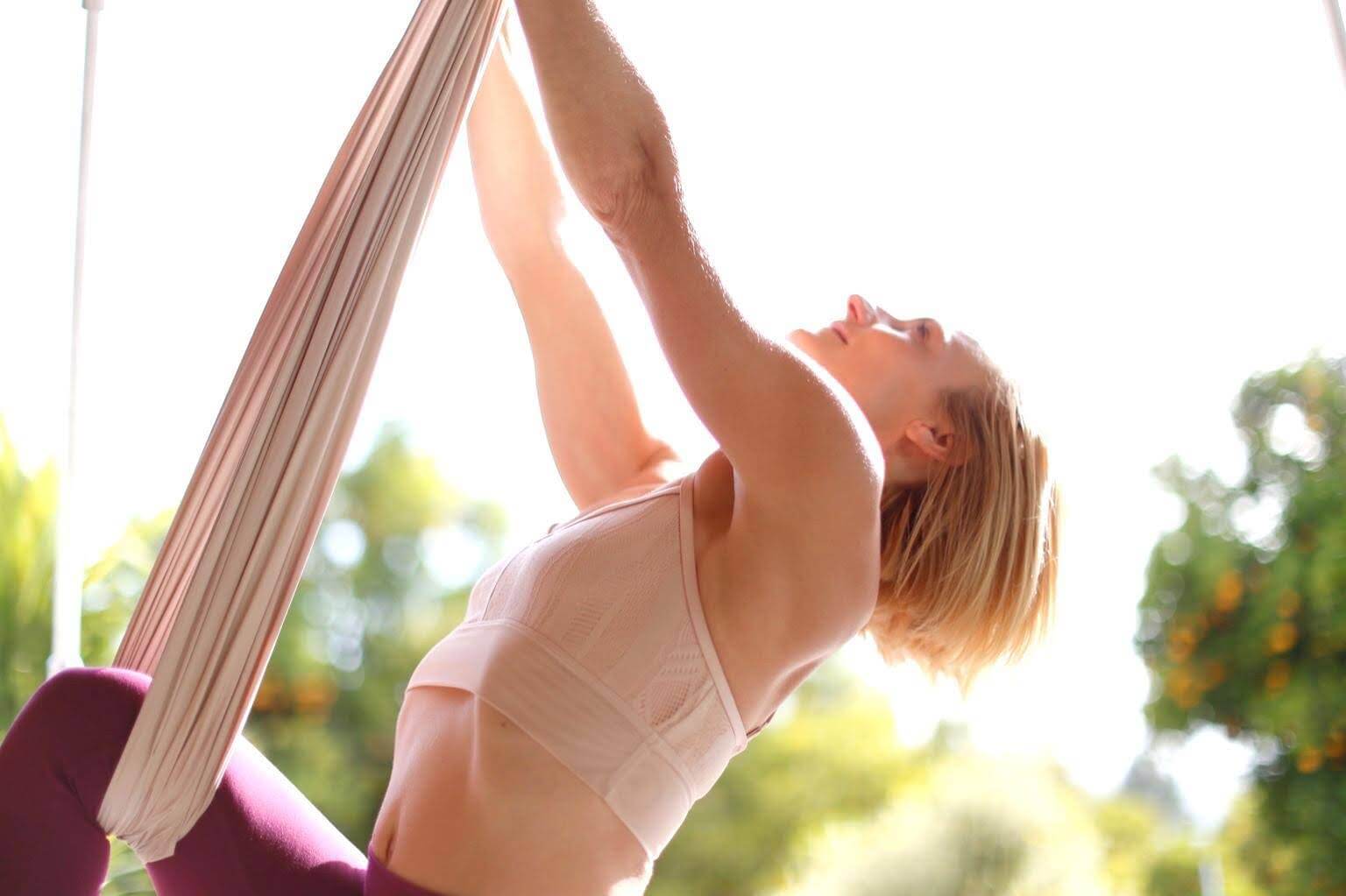
When I moved to New York, my yoga world exploded. For the first time, I suddenly had access to dozens of teachers and styles, each offering a different lens, a different voice, a different way to approach the exact same pose.
In some cases, some styles challenged me physically. Meanwhile, others stirred emotions. Some teachers inspired me with their depth and presence. On the other hand, others taught me through contrast, showing me what didn’t feel aligned, which was just as important.
Over time, every class, whether I loved it or not, became a learning experience. I discovered that I didn’t need to stick to one method or lineage to grow. Instead, the more I diversified my practice, the more I discovered who I was and the kind of teacher I wanted to become.
Yoga Is Personal and That’s the Point
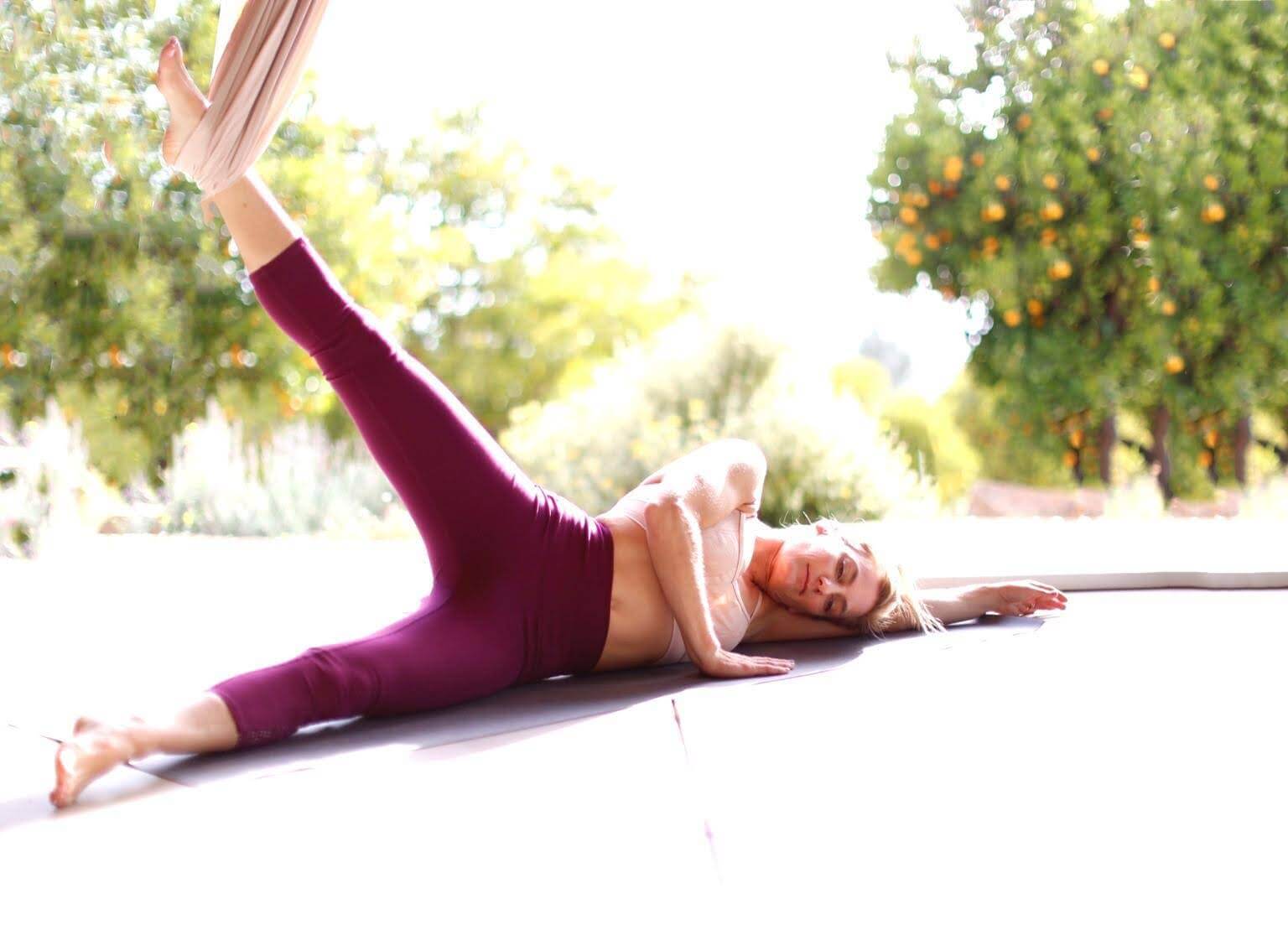
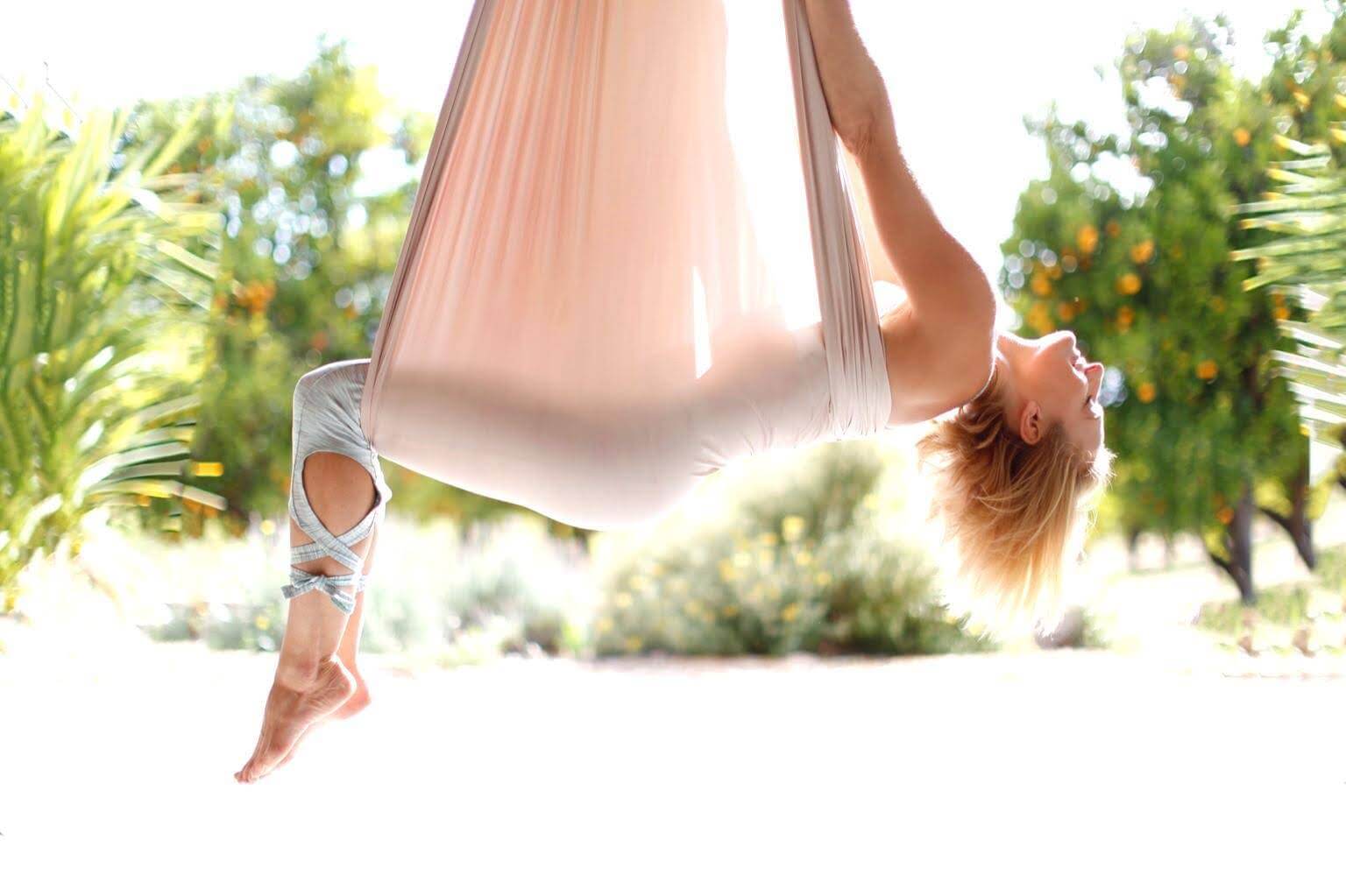
With time and experience, I began to let go of the need to ‘look good’ or ‘do it right.’ I stopped forcing myself into progressions just because they were offered. I learned to modify, to listen inward, to practice in a way that served me, not my ego.
Yoga isn’t about mastering poses. It’s about mastering self-awareness.
I learned that what my body needs changes day to day, season to season, year to year. What feels good in one phase of life might not serve in another. That’s why practicing the same pose can still feel new because you’re never exactly the same.
We Need All Kinds of Teachers
Different bodies, different minds, and different life experiences require different voices.
For this reason, that’s why we need all kinds of yoga teachers: strong ones, soft ones, technical ones, intuitive ones. After all, students connect to different styles and energies at different stages of life. And importantly, the right teacher at the right time can open someone’s heart in ways they never expected.
As a result, as a teacher, I now see it as my responsibility to create a space where students feel safe to be new, to modify, to challenge themselves, or to pull back all without judgment. I want students to know that they are already enough, and their practice is for them, not for performance.
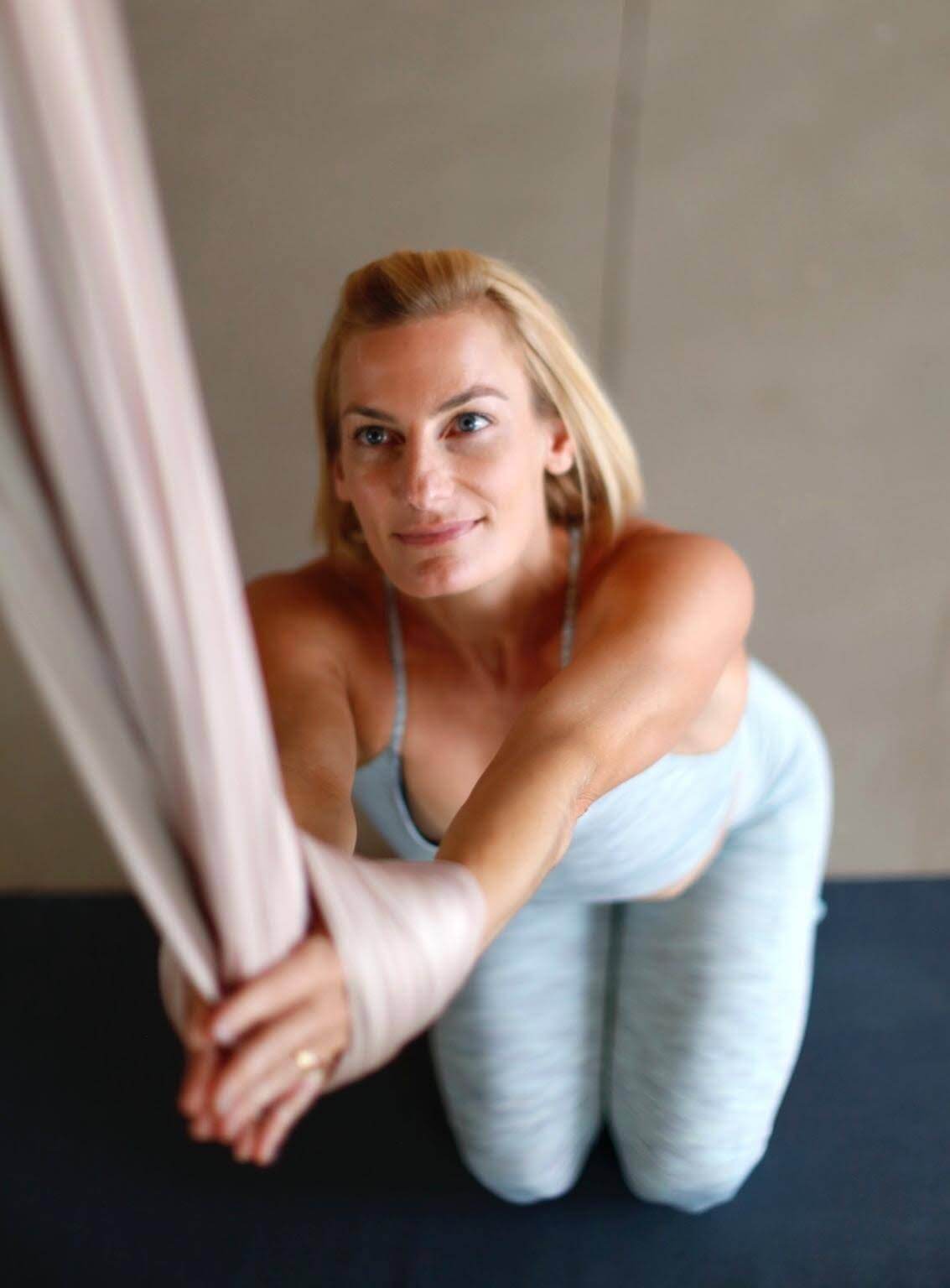
The Practice Is Always Evolving
Ultimately, yoga is a lifelong path. It’s not linear, and it’s not about perfection.
It’s about paying attention. It’s about staying open. And it’s about practicing in a way that supports your whole self: body, mind, and spirit.
The more I practice and the more I teach, the more I understand: The most advanced yoga is the most deeply personal.
And that’s what keeps me showing up on the mat again and again, year after year.